
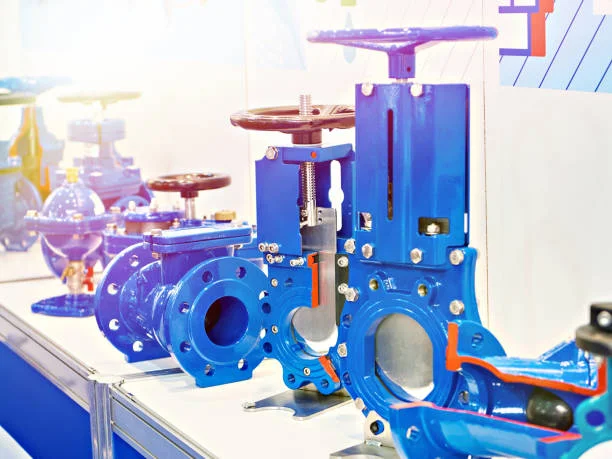
Industrial valves are the critical control points of your piping system. In Nigeria’s demanding operational environment—characterized by high pressure, corrosive media, sandy conditions, and variable climate—selecting the wrong valve can lead to leaks, operational failure, costly unscheduled shutdowns, and serious safety incidents.
This practical guide cuts through the complexity to help engineers, procurement managers, and plant operators make confident valve selection decisions that ensure longevity, performance, and safety.
Step 1: Understand Valve Types & Their Primary Function

Gate Valve: Best for on/off isolation in a fully open or closed position. Not for flow regulation. Ideal for clean fluids.
Globe Valve: Excellent for precise flow regulation or throttling. Higher pressure drop than gate valves.
Check Valve: Allows flow in one direction only, preventing backflow. Essential for pump discharge and other critical lines.
Ball Valve: Quarter-turn valve for quick on/off control. Excellent for tight shut-off with low maintenance. Full-bore and reduced-bore options.
Butterfly Valve: Compact, quarter-turn valve for on/off and moderate throttling of large volume flows (water, air). Space and cost-efficient.
Step 2: Match Valve Specifications to Nigerian Service Conditions

This is where local context is king.
Pressure & Temperature (ANSI Class): Nigerian wellhead and process pressures demand robust ratings. Always select a valve with an ANSI pressure class (e.g., 150#, 300#, 600#) that exceeds your system’s maximum operating pressure and temperature. Don’t forget thermal expansion effects in our climate.
Material of Construction (MOC): This is critical for corrosion resistance.
Carbon Steel (WCB): General purpose for non-corrosive oil, water, and steam. Cost-effective but can corrode.
Stainless Steel 316 (CF8M): The go-to for corrosion resistance against chlorides, acids, and saline atmospheres (relevant for offshore & swampy Niger Delta applications).
Duplex/Super Duplex: For highly corrosive, high-chloride, or high-pressure services. Essential for many offshore and sour service applications.
Alloy 20, Hastelloy: For severe corrosive services in chemical processing.
End Connection: Must match your piping.
Flanged (RF, RTJ): Most common for easy installation and maintenance.
Buttweld: For permanent, leak-free high-integrity piping systems (critical in process lines).
Threaded (NPT): For smaller, lower-pressure utility lines.
Operational & Environmental Factors:
Cycling Frequency: A valve cycled daily needs a more robust design (e.g., ball valve) than one used for annual isolation.
Fluid Characteristics: Is it abrasive (sandy crude)? Slurries require special trim and materials.
Location: Offshore valves need special coatings (e.g., CUI protection). Above-ground versus buried installation also dictates material and coating specs.
BEOPS Nigeria: More Than a Valve Supplier, Your Technical Partner
Selecting from a catalog is easy. Selecting the right valve requires experience. At BEOPS Nigeria, our Valves & Fittings supply is backed by technical advisory. We don’t just sell products; we provide solutions tailored to your specific service conditions.
Our Value Proposition:
Certified Sourcing: Every gate, globe, check, ball, and butterfly valve is sourced from reputable foundries with full traceability and compliance certificates (API 600, API 6D, etc.).
Technical Guidance: Our team helps you navigate material selection, pressure rating, and trim options to optimize for performance, durability, and cost.
Complete Package: We supply the valve along with the correct gaskets, bolts, and accessories for a complete, leak-free installation kit.
Stop guessing. Start specifying with confidence.
Ensure system integrity and avoid costly valve failures. Contact us today for product catalogs, material advice, or a competitive quote for your project needs.


